
Confined spaces: why the rescuer so often becomes the second victim
 ASOSH
September 16, 2026 · 1 min read
Instinct says go in and help. Training says plan the rescue before anyone enters.
A worker collapses inside a tank. A colleague sees it and climbs in to help — and collapses too. It is one of the most tragic patterns in workplace safety, and studies of confined-space deaths have repeatedly found that a large share of the victims were would-be rescuers.
Why it happens
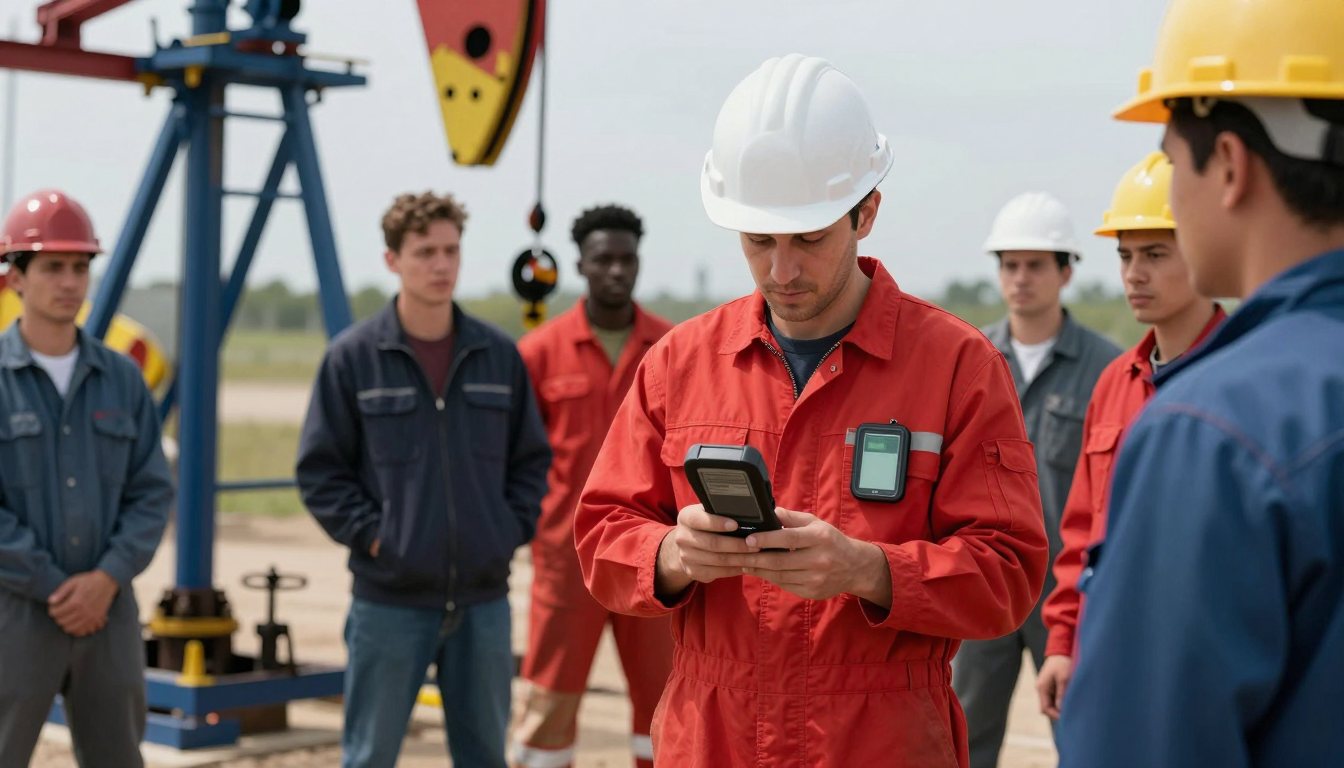
The hazards that make confined spaces deadly — lack of oxygen, toxic gases, engulfment — are usually invisible. The rescuer enters the same atmosphere without protection, often in seconds.
Plan the rescue before the entry
- Test the atmosphere before and during entry.
- Use an entry permit that names the attendant and the rescue method.
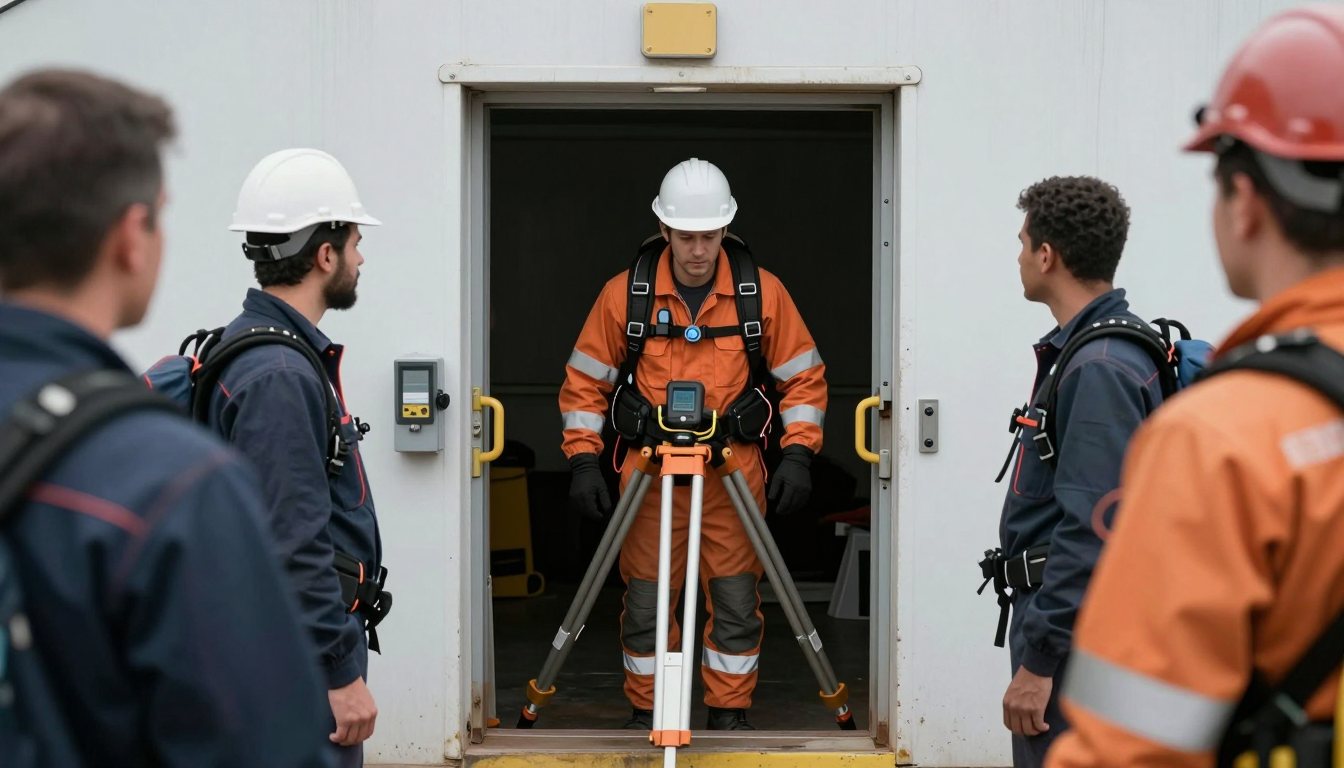
- Prefer non-entry rescue: harness, lifeline and tripod with winch.
- Keep breathing apparatus and trained rescuers ready before work starts.
- The attendant never enters — their job is to raise the alarm and start the rescue plan.
See our confined space courses for entrants, attendants and rescue teams.