
The hierarchy of controls, explained with real examples
 ASOSH
October 28, 2026 · 1 min read
PPE is the last line of defence, not the first. How to work down the hierarchy on a real job.
Almost every safety course mentions the hierarchy of controls. Fewer workplaces actually use it to make decisions. Here is what it looks like on real jobs.
1. Eliminate the hazard
Remove the hazard completely. Example: assemble a roof structure at ground level and lift it into place, so nobody works at height.
2. Substitute
Replace it with something less hazardous. Example: switch a solvent-based degreaser for a water-based one.
3. Engineering controls
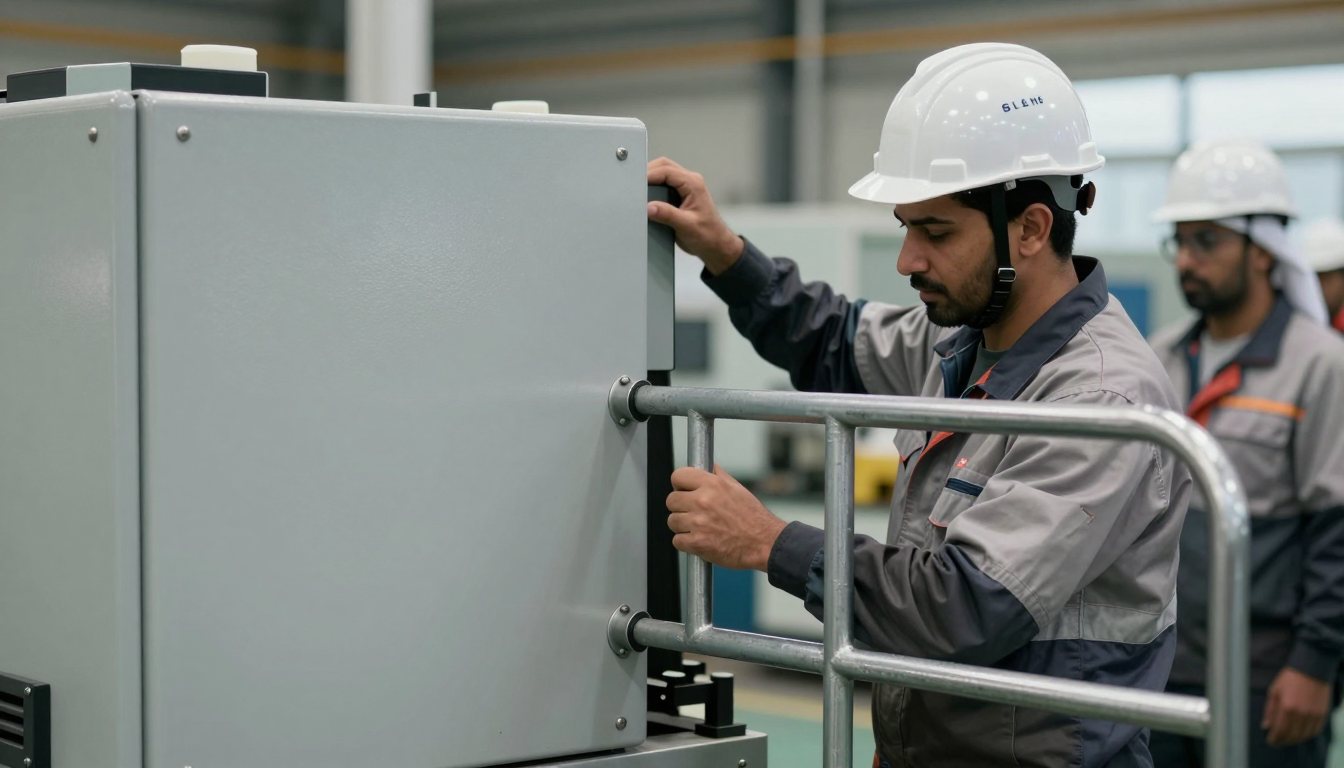
Isolate people from the hazard. Example: machine guarding, local exhaust ventilation, guard rails around an open edge.
4. Administrative controls
Change the way people work. Example: permits to work, job rotation to limit noise exposure, signage and training.
5. Personal protective equipment
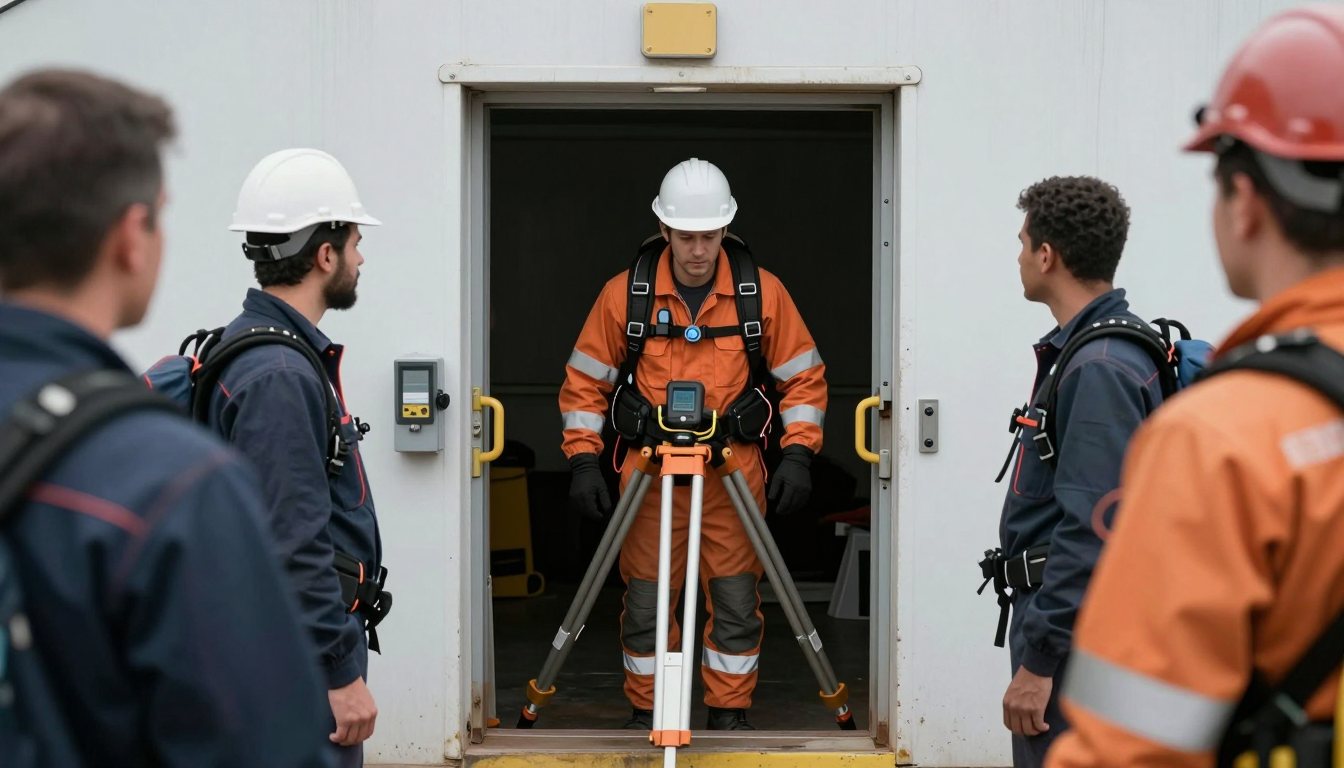
Protect the individual. Example: harnesses, respirators, hearing protection. PPE only works if it is the right type, fits, is maintained and is worn correctly every time — which is why it comes last.
Putting it into practice
When you review a risk assessment, ask of each control: could we go higher up the hierarchy? Usually a combination is needed, but the most reliable controls are the ones that do not depend on someone remembering to do the right thing.